
Collecting Canines
Antique Bulldog Figurines: A Collector’s Guide to the Breed’s History in Ceramic
The Bulldog in Antique Figurines: A Collector’s Introduction
Antique bulldog figurines occupy a fascinating place in the collector’s world. No other dog breed carries the same symbolic weight — the bulldog has been Britain’s national symbol, a mascot of stubbornness and determination, a caricature of aristocratic bluster, and, paradoxically, one of the most affectionate and gentle family dogs in existence. All of this history gives antique bulldog figurines a richness that goes beyond simple breed portraiture.
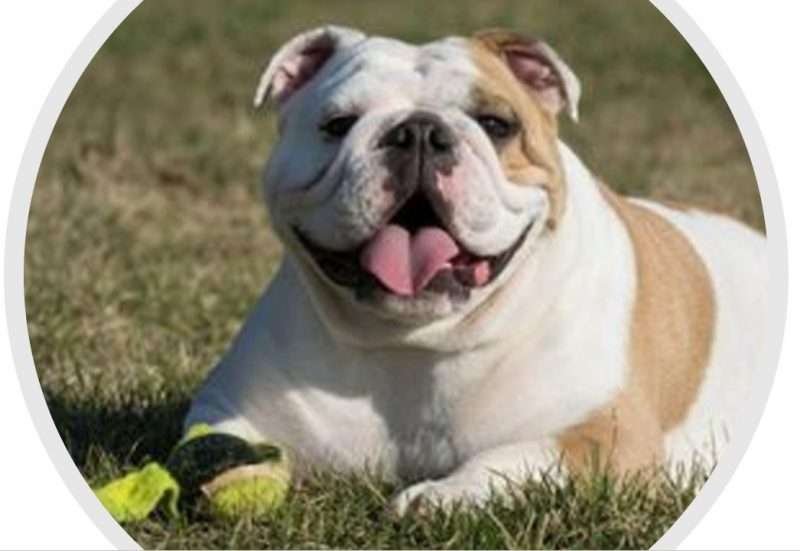
Collectors pursuing antique bulldog figurines will encounter pieces in an enormous variety of materials, styles, and price points — from a common Victorian earthenware seated bulldog worth a few dollars to a Meissen bulldogs from the eighteenth century worth thousands. Understanding the range helps collectors make informed choices about where to focus their attention.
The History of Bulldogs in Decorative Art
The bulldog’s entry into decorative art preceded its popularity as a companion animal. In the eighteenth century, the bulldog was still a working animal — associated with the now-banned sport of bull-baiting — and its figurative representations often reflected this more aggressive, powerful image. Meissen and other early porcelain factories produced bulldog-type figures as dramatic animal subjects rather than the gentled companion breed that emerged after bull-baiting’s prohibition in 1835.
After 1835, the bulldog underwent a transformation: breeders deliberately softened the breed’s temperament while preserving its distinctive physical form. The result — the modern English bulldog — became one of the Victorian era’s most beloved companion and show dogs, and its popularity is directly reflected in the explosion of bulldog-themed decorative objects from the mid-nineteenth century onward.
By the late Victorian and Edwardian periods, the bulldog had become a national symbol. Winston Churchill’s wartime association with the breed — widely noted and celebrated — gave bulldog collectibles an additional layer of patriotic and historical resonance that persists today.
Types of Antique Bulldog Figurines
Staffordshire bulldogs: The English Potteries produced bulldog figurines throughout the nineteenth and early twentieth centuries. Unlike the famous Staffordshire spaniels, Staffordshire bulldogs come in more varied poses — seated, standing, recumbent — and were produced by numerous factories at a range of quality levels. Common pieces are very available; unusual poses and high-quality early examples are genuinely scarce.
Continental porcelain bulldogs: German, Austrian, and French factories produced bulldog figurines in fine porcelain, often to a higher standard of anatomical accuracy than English earthenware pieces. Rosenthal, Hutschenreuther, and various Thuringian factories all produced collectible bulldogs. These pieces typically command higher prices than English earthenware equivalents.
American chalkware and cast iron: The bulldog appears frequently in American folk art contexts — as a cast iron doorstop (one of the most sought-after cast iron dog subjects), as a chalkware carnival prize, and in various commercial ceramic forms. Cast iron bulldog doorstops in original paint are among the most actively collected American dog objects.
Mortens Studio bulldogs: American mid-century manufacturer Mortens Studio produced bulldog figurines with their characteristic wire-armature construction and naturalistic painting. These pieces capture the bulldog’s distinctive wrinkled face and stocky build with real conviction.
Royal Doulton bulldogs: Royal Doulton’s bulldog — particularly the famous seated bulldog in Union Jack colorway produced during and after World War I — is one of the most iconic British ceramics of the early twentieth century. These pieces combine the breed’s symbolism with the quality of English bone china.
Identifying and Authenticating Antique Bulldog Figurines
The same authentication principles that apply to antique dog figurines generally apply to bulldog pieces specifically:
Base marks: For porcelain pieces, the factory mark is the starting point. Learn the marks for the factories whose bulldogs you collect, and verify against documented examples. For Staffordshire earthenware, marks are less consistently applied — construction quality, glaze type, and clay body are often the primary clues.
Cast iron identification: Cast iron bulldog doorstops are sometimes reproduced. Authentic period pieces typically show appropriate aging in the paint and casting quality consistent with period production. Modern reproductions are often lighter, show machine-uniform casting, and carry suspiciously bright paint.
Condition for chalkware: Original paint is everything in chalkware bulldog collecting. Repainted pieces, however colorful, are significantly less valuable than original-paint examples even with some wear.
What Makes a Bulldog Figurine Valuable?
Bulldog collecting is active enough that clear value drivers have emerged:
Maker matters — a Meissen bulldog vastly outperforms a generic earthenware equivalent. Condition matters — original paint, no chips, no repairs. Rarity matters — unusual poses, rare colorways, limited production series within a maker’s catalog command premiums. Symbolism matters — the Union Jack colorway Royal Doulton, the Churchill connection pieces, and other historically resonant objects attract buyers beyond pure ceramics collectors.
For current pricing benchmarks and collector reference, AKC: Bulldog Breed Information is an invaluable resource for anyone evaluating antique and vintage ceramics.
Frequently Asked Questions About Antique Bulldog Figurines
Are bulldog doorstops antique or just old?
Cast iron bulldog doorstops were produced primarily from the 1870s through the 1940s. Pieces from the nineteenth and early twentieth centuries meet the 100-year threshold for “antique” status.
What is the Union Jack bulldog?
A Royal Doulton bulldog figurine produced during and after World War I, shown seated and draped with the British Union Jack flag. These pieces were patriotic objects sold as wartime souvenirs and symbols of British resolve.
Which bulldog figurines are rarest?
Early Meissen examples, unusual Staffordshire poses, signed French bronze bulldogs, and limited Royal Doulton colorways are among the rarest. Cast iron doorstops in original paint and uncommon poses are the rarest in that category.
Where can I find antique bulldog figurines?
Browse our bulldog collectibles collection and our full antique dog figurines range. Every piece is curator-selected and condition-described.
Ready to add a handpicked piece to your own collection? Browse our curated selection of antique dog figurines — each item chosen for authenticity, condition, and collector appeal.